skillsync
Log in
Sign up
Follow
Nars Ganeshkumar
@nars
·
8 skills
I bring out the best in you (and your agents)
Skills
8
vox-motion-graphics
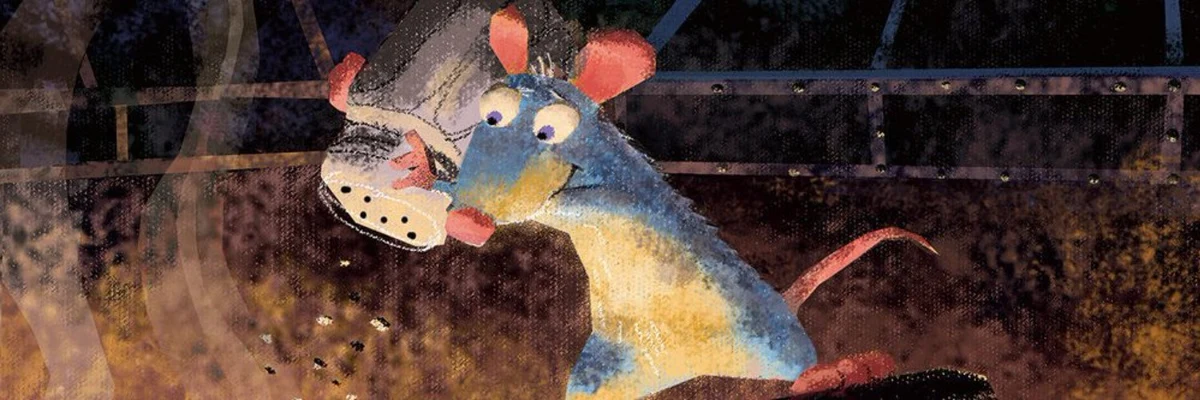
Produce a complete narrated motion-graphics explainer video end-to-end with Higgsfield MCP: trend/topic research, fact-checked script, a locked style key, animated clips, documentary voiceover, and one final assembled MP4. Two house styles: Vox-style Mixed Media collage (flat editorial, burned subtitles) and cinematic paper-diorama documentary (sepia newsprint worlds, censor-bar cutouts, letterpress props, fake-oner FPV energy). Use this skill whenever the user asks for a "Vox-style video", "motion graphics explainer", "animated explainer", "data-driven video", "cinematic paper / newspaper collage documentary", "make a video about X", "make a video about something trending/viral", a video "like the AI bubble reference", or just "run the vox pipeline" — even when no topic is given (the skill finds a trending topic itself). Also use it for faceless narrated shorts/YouTube videos on geopolitics, money, or power via Higgsfield.
Free
manim-video
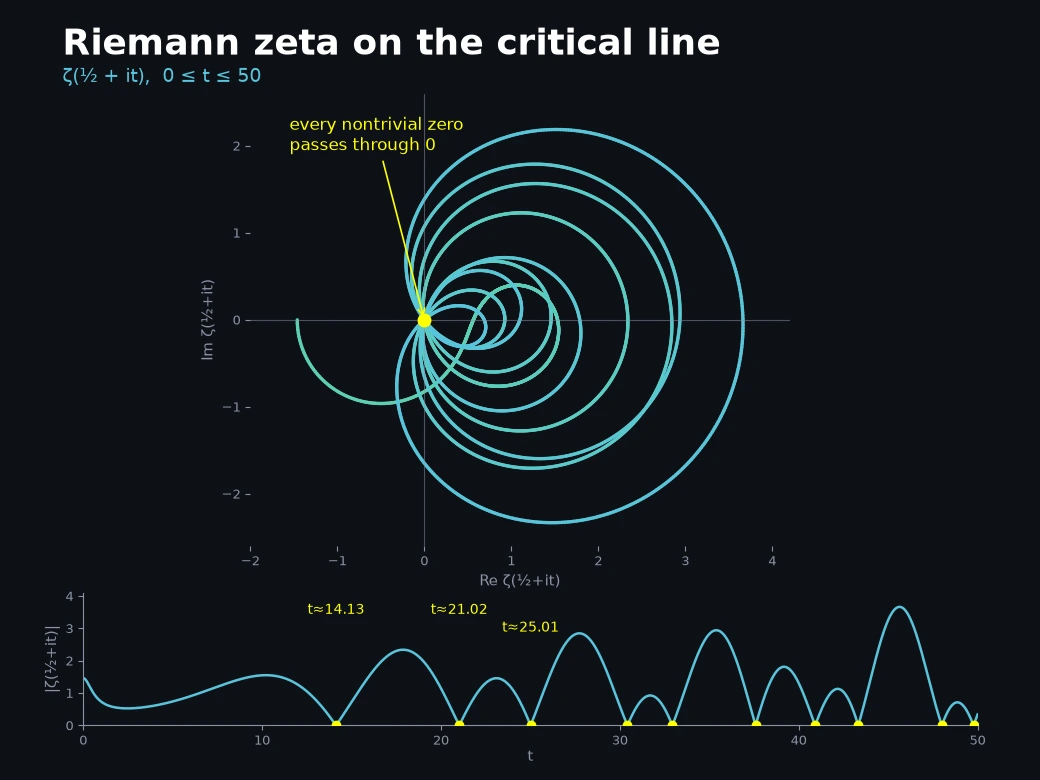
From Hermes Agent by Nous Research, written by SHL0MS (github.com/NousResearch/hermes-agent, skills/creative/manim-video), MIT license. Shared by Nars. Manim CE animations: 3Blue1Brown math/algo videos. Builds 3Blue1Brown-style math and technical explainer videos with Manim Community Edition: concept explainers, equation derivations, algorithm walkthroughs, data stories and architecture diagrams, from plan to code, render and stitched MP4.
Free
unslop
From Cursor's pstack plugin (github.com/cursor/plugins, pstack/skills/unslop). Shared by Nars. Cut AI tells from any writing. Scans a draft for AI writing tells (filler, AI vocabulary, em dashes, rule-of-three lists, chatbot phrases, vague claims, abstract jargon) and rewrites the flagged parts while keeping the meaning and tone. Run it on demand with /unslop.
Free
impeccable
Created by Paul Bakaus (github.com/pbakaus/impeccable, impeccable.style), Apache 2.0 license. Version 3.9.1. Shared by Nars. Use when the user wants to design, redesign, shape, critique, audit, polish, clarify, distill, harden, optimize, adapt, animate, colorize, extract, or otherwise improve a frontend interface. Covers websites, landing pages, dashboards, product UI, app shells, components, forms, settings, onboarding, and empty states. Handles UX review, visual hierarchy, information architecture, cognitive load, accessibility, performance, responsive behavior, theming, anti-patterns, typography, fonts, spacing, layout, alignment, color, motion, micro-interactions, UX copy, error states, edge cases, i18n, and reusable design systems or tokens. Also use for bland designs that need to become bolder or more delightful, loud designs that should become quieter, live browser iteration on UI elements, or ambitious visual effects that should feel technically extraordinary. Not for backend-only or non-UI tasks.
Free
ghostty-control
Created by Nishant Joshi (skillsync.com/nishantjosh/ghostty-control), MIT license. Shared by Nars. Control Ghostty on macOS as a complete visual terminal workspace. Discover and inspect existing terminals, open or focus tabs, create and arrange splits, run commands, drive interactive programs, monitor rendered output, capture text or screenshots, and set up persistent project workspaces. Use when the user wants visible terminal interaction or real rendered terminal state; use ordinary shell execution for headless commands.
Free
cartoon-scene-builder
Created by Sanji Nai-Chien, shared free in the video "AI Animation Pipeline: How I Make Cartoons 100% With AI" (youtube.com/watch?v=JFTe5fbERGg). No license stated. Shared by Nars. Turns a simple scene idea into a production-ready animation prompt using your existing characters, locations, props, and voices. It automatically plans the shots, camera direction, actions, timestamps, dialogue, and references while keeping every scene consistent with the world you've already built. Use this skill whenever the user is making an AI cartoon, animated series, or animated short in Higgsfield with reusable assets (character sheets, location views, voice references) and describes what should happen in a scene or episode — phrasings like "make a scene where…", "next scene:", "build the prompt for this scene", "my character finds…", "new episode", "turn this into a production prompt". Also use it when the user wants to change a scene's length ("make it 5 seconds"), set up their show's world / Project Bible, split an episode into scenes, or fix a generation where a character drifted or voices got mixed up mid-scene.
Free
blog-whisperer
Created by Nishant Joshi (skillsync.com/nishantjosh/blog-whisperer). Shared by Nars. Collaborate on evidence-based technical essays, build stories, and explanations. Use when turning coding sessions or project notes into an article, developing a technical essay's thesis or flow, interviewing an author about their work, or critiquing and revising a draft's clarity, narrative, accuracy, or voice. Adapt to the requested stage, including discussion without edits. Do not apply the essay workflow to routine emails, marketing copy, or simple factual answers unless explicitly requested.
Free
anatomy
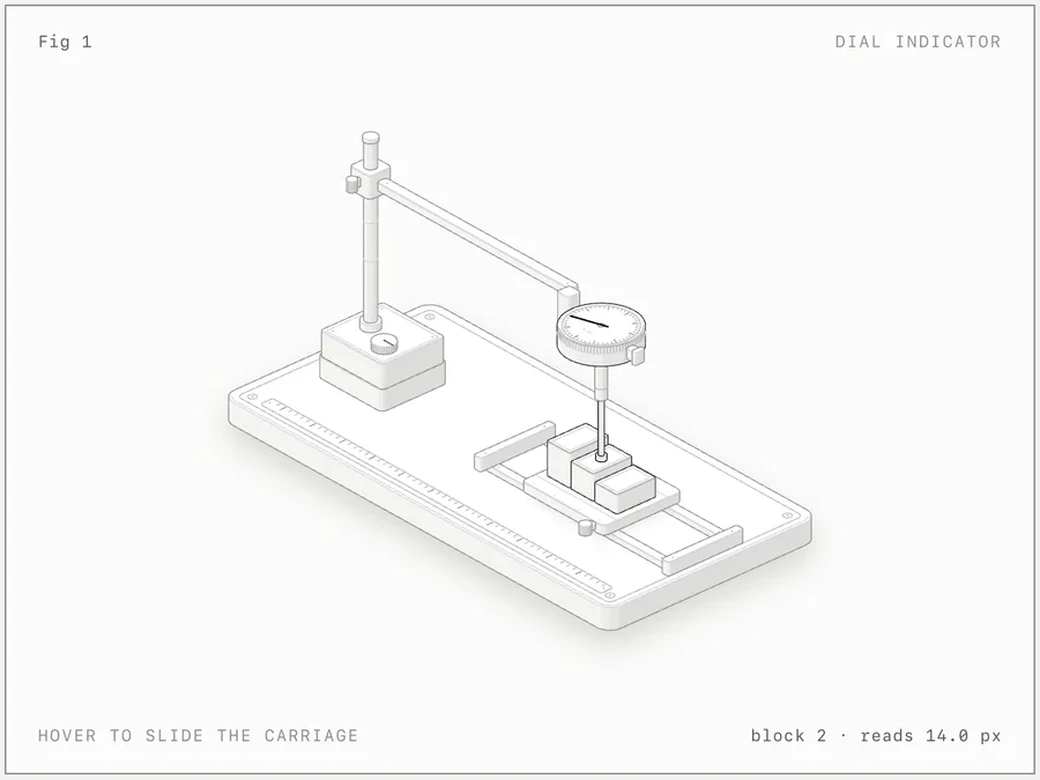
Created by Ryan (github.com/wheresryan22/anatomy), MIT license. Shared by Nars. Build crafted, highly detailed, interactive isometric SVG figures that explain a technical idea as a real physical object (a test rig, a dial gauge, a cabinet of drawers, a plotter, a lock), with many small precise solid parts, four-tone shading, correct painter's order, a framed card with title, hint and live readout, and calm eased motion. Use this whenever someone wants an isometric illustration, an explanatory diagram or figure for docs, a blog post, a landing page or an article, a "Linear-style" or "premium" technical drawing, an interactive explainer, or an SVG that shows how a system, algorithm or component works, even if they never say "isometric". Works framework-free (TypeScript/JS that writes SVG and HTML) and in React/Next.js, and can add realistic WebGL shaders (fire, exhaust, water, caustics, lamp light) that live inside the drawing in the same isometric perspective. Also publishes a finished figure to the Anatomy community gallery when asked.
Free